The Dashboard Problem Isn't Data. It's Context.
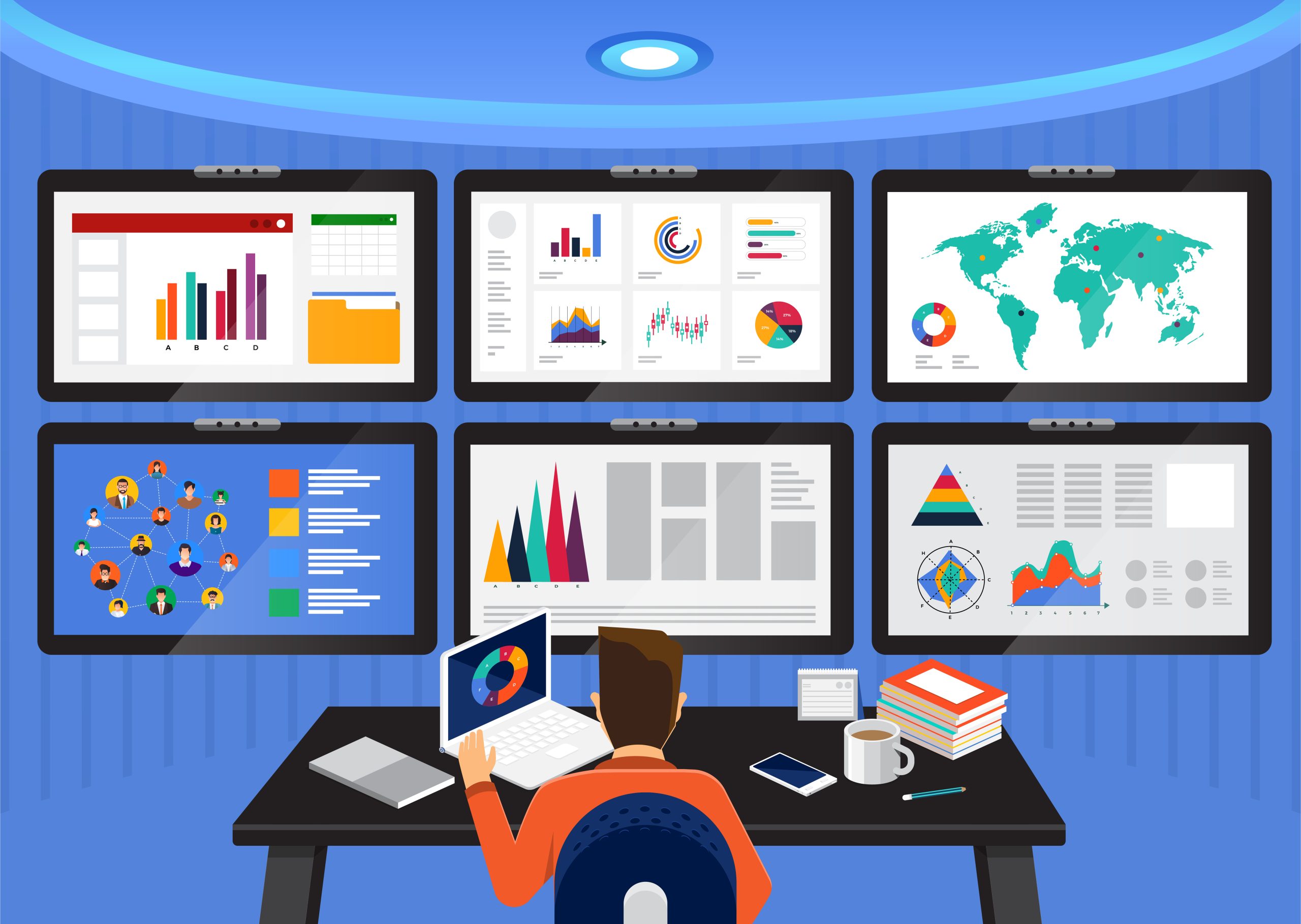
Most finance teams are not short on data. They have spend reports, supplier breakdowns, margin dashboards, and cost-of-goods analysis. The data is there.
The problem is that dashboards were built to monitor a world you already understand. They tell you where you are against plan. They show you trends. They flag variances. That's genuinely useful when conditions are stable.
When conditions shift sharply, dashboards become a starting point for a very manual, very slow process of investigation. Someone has to pull the supplier list. Someone has to cross-reference country of origin. Someone has to model the tariff exposure by product line, then by customer contract, then by margin band. Then someone has to write it all up for the CFO, who needs it for the board deck, which is due Thursday.
That process takes days. Often longer. And in a fast-moving situation, days matter.
The Real Cost of Manual Investigation
Here's what actually happens in most organizations when a tariff announcement lands.
An FP&A analyst gets pulled off their current work and asked to "do a quick analysis." That quick analysis involves exporting data from three or four systems, reconciling it in Excel, and building a model that someone else then has to review and validate. The analyst knows the numbers. They're less certain about the assumptions. The CFO has questions the model wasn't built to answer. The cycle repeats.
This isn't a failure of skill or effort. It's a structural problem. The tools were not designed for rapid, contextual, cross-system analysis under pressure.
The gap isn't between data and dashboards. It's between dashboards and decisions.
What a Playbook Does Differently
An eyko Playbook approaches this differently from the start.
Instead of waiting to be queried, a Playbook works against live business data with full context about what the data means. It understands that a supplier tagged in your ERP as "primary" carries different weight than one tagged as "backup." It knows which product lines carry thin margins and which have pricing flexibility built in. It connects supplier origin to landed cost to customer contract terms without needing anyone to manually stitch those things together.
When a tariff scenario hits, a Playbook doesn't just surface the data. It reasons through it.
It identifies which suppliers fall under the new tariff, calculates the exposure by spend tier, models the margin impact by product category, and flags the contracts where you have limited ability to pass cost through. It presents findings with the evidence attached, not just a number on a slide.
The output isn't a report. It's a briefing that tells you what happened, why it matters for your specific business, and what options you have.
A Concrete Example
Say you have 40 active suppliers. Fourteen are based in markets now subject to a 15% tariff. Of those fourteen, six represent 80% of your affected spend. Two of those six are sole-source with no short-term alternative. Three have contract clauses that allow for cost adjustment with 60-day notice. One doesn't.
A dashboard can show you spend by supplier. It cannot tell you that story in ten minutes without someone building it by hand.
A Playbook can. And it can do it again next week when the situation changes, without starting from scratch.
Why This Matters Now
Tariffs are one example. The underlying pattern is broader.
Businesses today face a category of problem that traditional BI was not designed for: sudden shifts in external conditions that require rapid, cross-functional analysis against live operational data. Interest rate moves. Commodity price spikes. Currency swings. Regulatory changes. Geopolitical disruption.
Each of these creates the same pressure: leadership needs a clear, credible answer fast, and the team has to produce it with tools built for a more predictable world.
The organizations that handle this well are not necessarily the ones with the best dashboards. They're the ones that can move from data to decision the fastest.
What Leaders Should Be Thinking About
If your current process for handling a scenario like this is "pull the analyst off their current project and give them a few days," that's worth examining.
Not because analysts aren't capable. They absolutely are. But because that process has a cost. It's slow, it's inconsistent, and it consumes capacity that should be focused on higher-value work.
The question isn't whether your team can produce the analysis. It's whether they should have to do it manually every time conditions change. For finance leaders who want a sharper view of what this looks like across the broader supply chain, the supply chain decision-making piece published recently is a useful companion to this one.
This is also where scenario planning becomes real rather than theoretical. A Playbook doesn't just model one version of the world. It can run a 10% tariff scenario and a 20% tariff scenario side by side, surfacing which suppliers become unviable at which threshold, and where your pricing flexibility actually runs out.
Playbooks don't replace analyst judgment. They free it up. The analyst who was spending three days building the exposure model can spend those days stress-testing the assumptions, modeling the response options, and advising on execution. That's where their value actually sits.
The Shift Worth Making
Dashboards are essential. They will not go away and they should not. But they were designed for a world where the questions were predictable and the conditions were relatively stable.
The world finance leaders are operating in now is neither of those things.
The teams that navigate uncertainty best will be the ones that can ask a complex, cross-system question on Monday morning and have a reasoned, evidence-backed answer before lunch. Not because they worked faster, but because their tools were built for that kind of question in the first place.
That's what Playbooks are for.
eyko Playbooks connect directly to your live business systems and deliver autonomous, evidence-based briefings for the decisions that matter. No data warehouse required.