Published 22 Jan 2026
Why Dashboards Are No Longer Enough for Modern Decision Making
Decision Intelligence
Published 22 Jan 2026
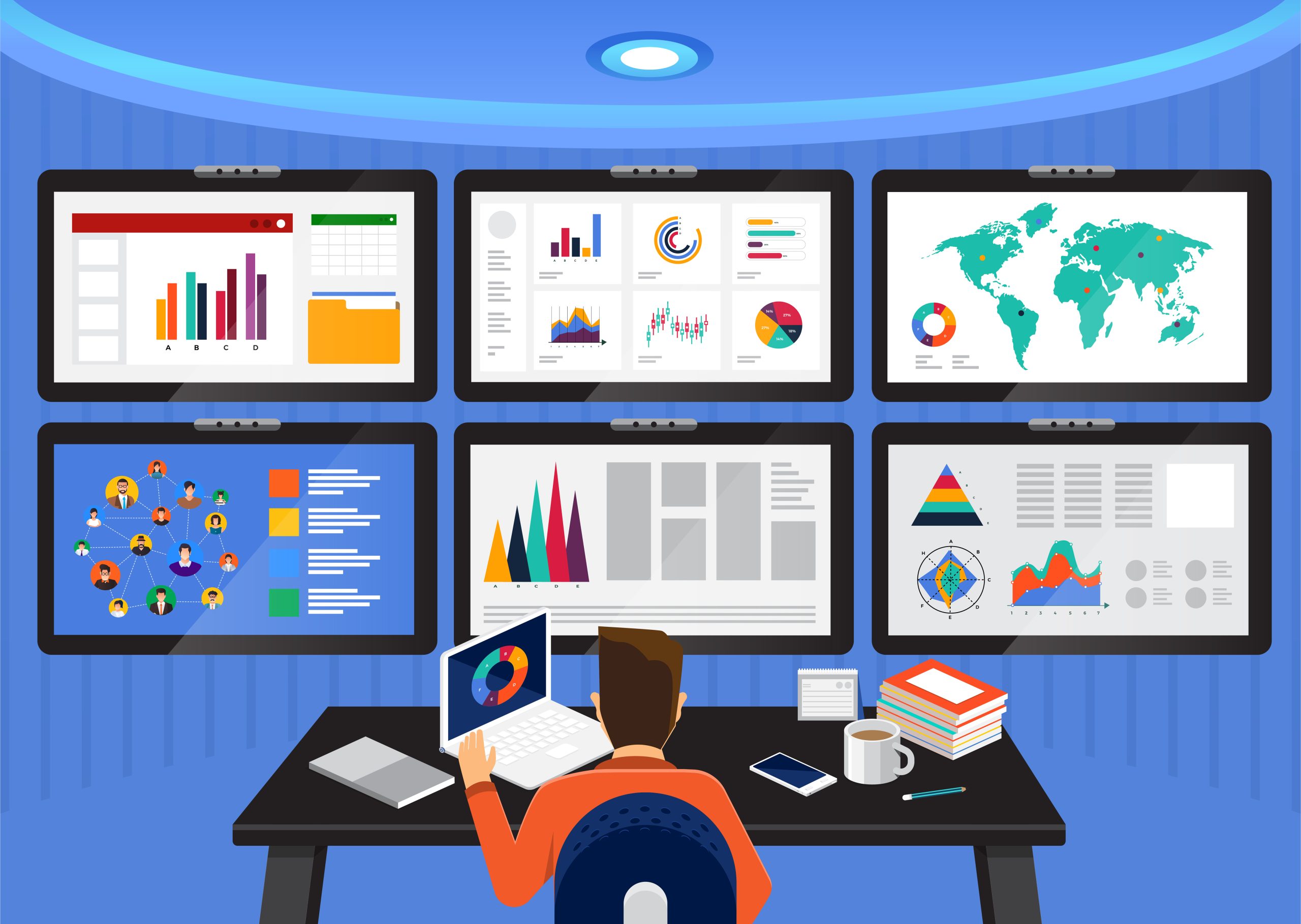
For the better part of two decades, dashboards have been the centerpiece of business intelligence. They transformed the way organizations consumed data, replacing spreadsheets and static reports with interactive visualizations that could be refreshed, filtered, and shared across teams. The promise was simple: put the right data in front of the right people, and better decisions would follow naturally.
That promise delivered real value. Dashboards democratized access to business metrics, giving everyone from C-suite executives to frontline managers a window into operational performance. Sales teams tracked pipeline velocity. Finance monitored cash positions. Operations watched throughput in near real-time. The ability to visualize trends, compare periods, and drill into segments was a genuine leap forward from the era of monthly PDF reports.
But the business environment has changed dramatically since dashboards became the standard. The volume and velocity of data have exploded. The number of systems generating that data has multiplied. And the decisions that organizations need to make have become more complex, more interdependent, and more time-sensitive. The dashboard, designed for an era of slower data and simpler questions, is struggling to keep pace.
The fundamental limitation of dashboards is that they are descriptive, not prescriptive. They excel at answering the question "what happened?" but are structurally incapable of answering "why did it happen?" or "what should we do about it?" A dashboard can show you that revenue dropped 12% last quarter, but it cannot explain whether the cause was pricing pressure, churn in a specific segment, seasonal variance, or a supply disruption that reduced fulfillment rates. That interpretive work falls entirely on the human viewer.
This creates a significant bottleneck. Every person who opens the same dashboard may draw different conclusions depending on their experience, their assumptions, and which filters they happen to apply. One analyst sees a pricing problem. Another sees a demand issue. A third sees nothing unusual at all because they are comparing against a different baseline. The result is inconsistency at exactly the moment when alignment matters most.
There is also the problem of attention. Dashboards are passive tools. They sit there, waiting for someone to open them, navigate to the right view, and notice the signal buried among dozens of charts. In practice, most dashboard views go unvisited. The metrics that matter are often hidden behind three clicks and a filter that nobody remembers to set. Critical anomalies can persist for days or weeks before the right person happens to look at the right chart at the right time.
Finally, dashboards fragment the analytical narrative. A single business question often requires data from multiple dashboards, each owned by a different team and built on a different data model. Understanding why customer lifetime value is declining might require correlating data from the CRM dashboard, the support ticket dashboard, the product usage dashboard, and the billing dashboard. The burden of stitching these views together into a coherent story falls on the analyst, consuming hours that could be spent on strategic work.
The next generation of business intelligence does not wait for a human to open a dashboard and start asking questions. Autonomous analytics continuously monitors data streams, detects meaningful changes, and proactively delivers insights to the people who need them. Instead of requiring analysts to pull information, the system pushes relevant findings to stakeholders when they matter.
This shift from pull to push fundamentally changes the economics of data-driven decision making. When a key metric deviates from its expected range, the system does not just flag the anomaly with a red indicator on a chart that someone may or may not see. It generates a structured explanation: here is what changed, here is the likely cause based on correlated signals, here is the estimated business impact, and here are the recommended actions ranked by feasibility and expected outcome.
Autonomous analytics also eliminates the consistency problem that plagues dashboard-driven organizations. When the system generates an insight, every stakeholder receives the same narrative, built from the same data, using the same analytical framework. There is no room for conflicting interpretations because the analysis itself is structured and explicit. The conversation shifts from debating what the data shows to deciding what to do about it.
This does not mean that human judgment becomes irrelevant. Quite the opposite. By automating the descriptive and diagnostic layers of analysis, autonomous systems free analysts and decision-makers to focus on the work that actually requires human expertise: evaluating trade-offs, considering organizational context, and making judgment calls in the face of uncertainty. The machine handles the pattern recognition. The human handles the strategy.
Playbooks represent the natural evolution beyond both dashboards and standalone analytics. A Playbook is not a chart or a table or a single metric with a trend line. It is a complete analytical document that delivers context, analysis, visualization, and recommended next steps in a single cohesive output. Where a dashboard presents raw ingredients and expects the viewer to cook the meal, a Playbook delivers the finished dish.
Consider a practical example. A supply chain manager needs to understand why fulfillment rates have declined in a specific region. In the dashboard world, this investigation might take half a day: pulling data from the warehouse management system, cross-referencing with transportation logs, checking supplier lead times, and manually correlating the findings into a summary for the operations meeting. With a Playbook, the same analysis is generated automatically. The Playbook identifies the root cause, quantifies the financial impact, presents the relevant supporting data, and outlines three possible remediation paths with estimated timelines and resource requirements.
The power of the Playbook model is that it encodes analytical best practices into repeatable, consistent processes. Every time the system runs a particular Playbook, it follows the same rigorous methodology. It checks the same data sources, applies the same statistical tests, and structures its findings in the same clear format. This consistency is especially valuable in regulated industries where audit trails and reproducibility matter, but it benefits any organization that wants to ensure its decisions are grounded in thorough, unbiased analysis.
The transition from dashboards to Playbooks is not about abandoning visualization or historical reporting. Those capabilities remain valuable. It is about recognizing that visualization alone is not enough to drive action at the speed and scale that modern businesses require. Organizations that continue to treat dashboards as the final destination of their data strategy will find themselves outpaced by competitors who have moved beyond observation and into the era of autonomous, action-oriented intelligence.

22 Jan 2026
The latest industry news, interviews, technologies, and resources.

AI won't replace business analysts, it will elevate them by automating routine data processing, freeing analysts to focus on strategic advisory work.
Read post

The current technological transformation is a revolution in decision-making, not machinery. AI and structured playbooks convert raw information into strategic action.
Read post
Be the first to know about releases and industry news and insights.
We care about your data in our privacy policy.