Published 18 Dec 2025
Why Leaders Are Rethinking Dashboards
Augmented IntelligenceAutonomous AnalyticsAutonomous ReportingPlaybooks

Published 18 Dec 2025
For nearly two decades, dashboards have been the default way leaders consume business information. Rows of KPIs. Charts showing performance against plan. Red, amber, and green indicators designed to compress complex operations into a single screen.
For a long time, that worked.
Dashboards brought order to reporting. They replaced static spreadsheets and endless slide decks. They gave executives faster access to information that had previously been buried in reports or locked inside operational systems.
But the way decisions get made has changed, and dashboards have not really changed with it.
Many leadership teams are now quietly questioning whether dashboards still earn their place. Not because they are broken, but because they stop short of what leaders actually need when the pressure is on.
Dashboards are very good at showing what happened.
Revenue moved. Costs shifted. Orders slowed. Customer sentiment changed. Dashboards surface trends and give everyone a shared view of performance. What they do not do is explain what is behind those movements, or where attention should go next.
That gap used to be acceptable. Decisions moved more slowly. Analysis could happen offline. An analyst would pull data, investigate further, and come back later with a point of view.
Today, that delay is a problem.
Margins are tighter. Cycles are faster. When a number moves, leaders want to understand why while there is still time to do something about it. Knowing that something changed is no longer enough.
Dashboards put the burden of interpretation on the user. They present the data and leave meaning open to whoever is looking at the screen. Two people can study the same chart and walk away with very different conclusions. Meetings drift from facts into opinions surprisingly quickly.
Why did revenue dip in one region? Is it seasonal, operational, or customer driven? Is it noise or the start of a pattern? Which team should even own the response?
Dashboards raise questions, but they do not resolve them. So leaders fall back on experience, instinct, or the strongest voice in the room. Bias creeps in, even when everyone is acting in good faith.
When a dashboard flags an issue, the real work begins. Someone has to start digging. Data gets pulled from multiple systems. Filters are changed. Time periods are compared. Spreadsheets are created. Assumptions are tested and retested. Much of this work is manual and repetitive, even in organizations with modern BI tools.
The real cost is not just analyst hours. It is lost time. While teams wait for answers, opportunities slip by and risks compound. By the time the analysis lands, the window to act has often narrowed or closed altogether.
This is why so many leaders feel surrounded by data but unsupported in decision making. They have visibility, but not direction.
As organizations grow, dashboards tend to proliferate.
Different teams build their own views. Metrics are defined slightly differently. Filters vary. Over time, confidence erodes. Leaders stop asking what the data is telling them and start asking which dashboard is right.
Adding more dashboards rarely helps. It usually makes things worse.
Complex businesses need analysis that can cut across systems, time periods, and dimensions without forcing users to manually stitch the story together. Dashboards were never designed for that. They were designed to display summaries, not to investigate complexity.
There is a noticeable shift in what leaders expect from analytics. They are less interested in navigating dozens of dashboards and more interested in getting to the point quickly. What changed? Why did it change? What actually matters right now?
Dashboards still have a role. They are useful for monitoring and operational awareness. But on their own, they fall short.
What leaders are really asking for is not more charts. It is guidance. Grounded in data, not opinion.
This is where the rethink really starts.
Modern analytics needs to move beyond visualization and into explanation. Instead of stopping at a chart, the system should investigate changes automatically. It should compare performance across dimensions, spot meaningful anomalies, and surface the most likely drivers.
Rather than asking users to endlessly click, filter, and explore, the platform should do more of the heavy lifting and present a clear narrative.
That shift turns analytics from passive reporting into active decision support.
Playbooks represent that next step.
A Playbook starts with a question or an outcome, not a visual. It continuously scans data across systems, looks for meaningful shifts, explains what is happening, and highlights where attention is needed.
Instead of asking leaders to interpret dashboards, Playbooks interpret the data for them. They provide context, reasoning, and suggested next steps, all linked back to the underlying data so trust is never lost.
They do not replace dashboards. They sit alongside them and address the gap dashboards were never built to fill.
Dashboards answer what is going on. Playbooks answer what changed, why it changed, and what to do next.
Seeing this shift described is one thing. Seeing it in action is another.
We have recorded a short video that shows how Playbooks work with real business data. It walks through how a Playbook detects meaningful change, explains what is driving it, and highlights where leaders should focus next, without relying on static dashboards or manual investigation.
Watch the short Playbooks overview video.
The pressure on leaders keeps rising. Decisions are more frequent. Stakes are higher. Patience for delay is shrinking.
At the same time, data volumes and system complexity continue to grow. Expecting people to manually connect the dots across this landscape is no longer realistic.
Rethinking dashboards is not about dismissing what came before. It is about recognizing their limits and evolving analytics to reflect how decisions are actually made today.
Leaders who make this shift move faster, argue less, and act with more confidence. They spend less time debating numbers and more time improving outcomes.
Dashboards gave organizations visibility, and that was a meaningful leap forward. The next leap is guidance.
Analytics that explains, prioritizes, and recommends. Analytics that reduces bias instead of amplifying it. Analytics that shortens decision cycles instead of slowing them down.
That is why leaders are rethinking dashboards. Not because dashboards failed, but because expectations have changed.
And in the space between insight and action, something more useful is taking shape.

18 Dec 2025
The latest industry news, interviews, technologies, and resources.
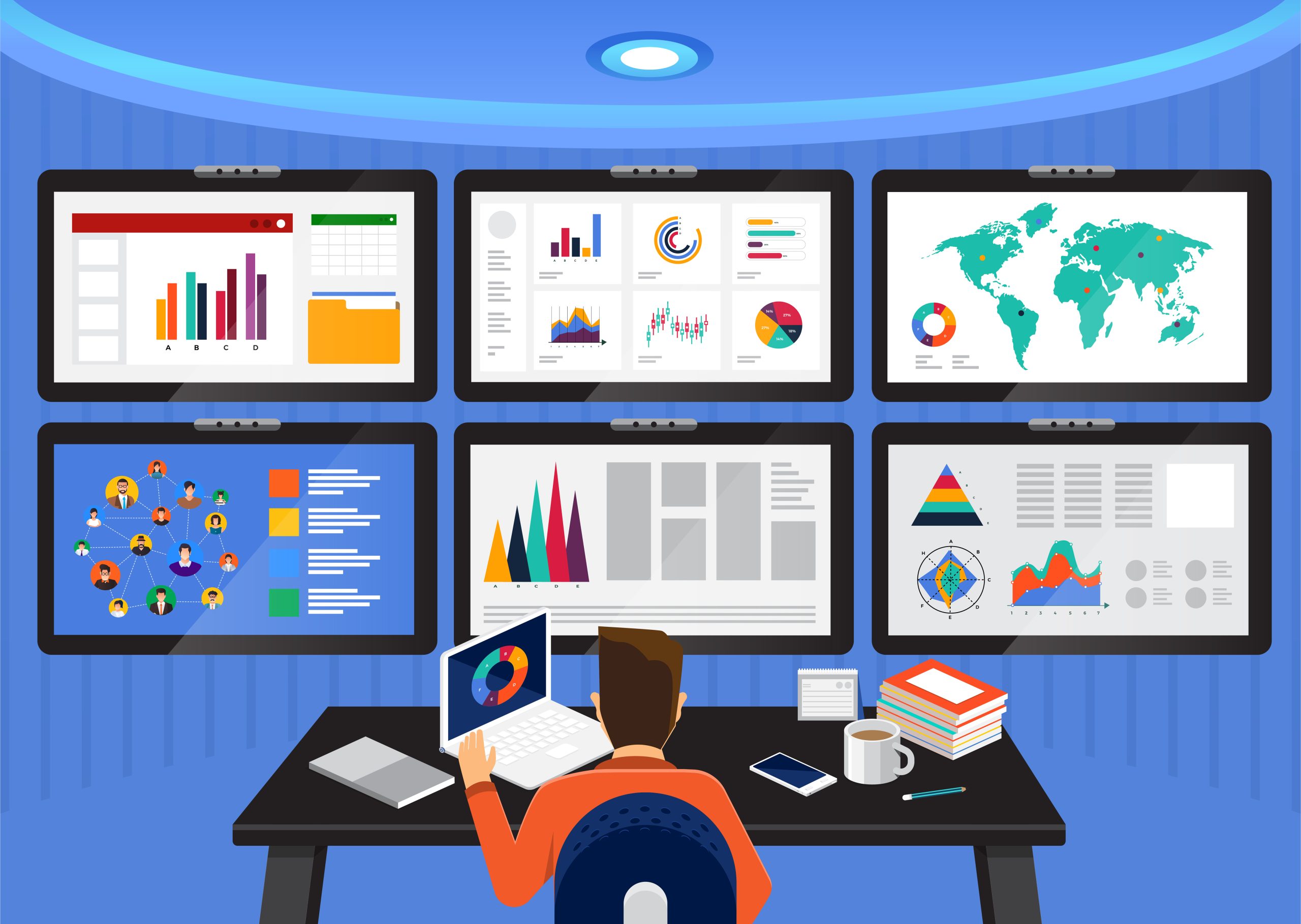
Traditional dashboards only show what happened historically without providing context or recommended actions. Playbooks and autonomous reporting are the next evolution.
Read post

Most organizations sit on more data than they can use. Playbooks transform that data into clear, actionable narratives that explain what happened and what to do next.
Read post
Be the first to know about releases and industry news and insights.
We care about your data in our privacy policy.