Published 6 Nov 2025
Why Playbooks, Why Now?
Business IntelligenceAutonomous ReportingPlaybooks

Published 6 Nov 2025
The last few weeks I have been banging on about playbooks to frankly anyone who will listen. Why? Because I believe they are the missing piece of the Business Intelligence jigsaw puzzle. They provide the part that shows not just what happened, but why it is happening and what to do about it.
I have worked in the business intelligence industry for as long as I can remember. I was there during the Ralph Kimball vs Bill Inmon data warehouse design debates, and I was firmly in the Kimball camp. I watched the explosion of dashboarding brought on by Kaplan and Norton's Balanced Scorecard. More recently I have seen the rapid rise of AI across analytics, complete with all the excitement and confusion that tends to follow new technology.
Here is the persistent problem. Most BI teams build content to prove or disprove a hypothesis. Someone in the business has a hunch about why a trend is moving in the wrong or right direction. The team builds a report or a dashboard to test that hunch. In doing that we often introduce bias. Sometimes it is conscious. Sometimes it is unconscious. If the hunch came from the CEO, do you really want to contradict it? The data story can end up reflecting the starting assumption.
Think about a visit to your doctor. You describe your symptoms. That shapes the route of investigation. Most of the time it works. Sometimes it sends the process down the wrong path and delays the correct diagnosis. Veterinarians do not have that problem in the same way. Animals cannot describe symptoms, so the investigation must be systematic, evidence led and unbiased.
Why talk about doctors and veterinarians in a BI blog? Because the same principle applies. What if you let your data tell you where the problems are, rather than building content to support a theory? What if your BI could search for issues without bias, explain what happened, why it happened, and what you can do next? That is where playbooks come in.
In business, a playbook is a documented guide to best practices, proven actions and decision paths. It ensures consistency, gives structure and provides a framework for action. In BI, a playbook is the next step beyond dashboards and static reports. It combines interpretation, diagnosis and recommended actions into a guided experience that is always watching the data.
A BI playbook is not a static collection of KPIs. It is a dynamic guide that looks for meaningful changes, links cause and effect, prioritises what matters and proposes actions. Think of it as the best parts of modern analytics fused into a simple, guided decision framework. It carries forward all the strengths of past BI content types, then adds autonomy, reasoning, and clear next steps.
For decades we tried to put the right information in front of the right person at the right time. We moved from models to dashboards to systems that write the story for you. Useful, but still incomplete. Playbooks pull it all together and deliver a complete briefing that is trusted, timely, and tied to action.
If you take one idea away, make it this:
Playbooks sit at the intersection of these three. That is why they work.
We have always wanted Playbooks. The difference is that the ingredients finally exist to deliver them.
In short, Playbooks deliver the BI people always wanted, made possible now by mature platforms, new expectations, and the convergence of narrative, logic, and evidence.
Playbooks change how decisions get made.
We accept that autonomous vehicles will eventually drive us from A to B. The same shift is underway in reporting. Analytics will move from manual assembly to automated interpretation and guidance. Playbooks make that shift practical. They set the rules for what to watch, how to reason about patterns, and how to recommend the next step.
Imagine a simple scenario. Your margin drops unexpectedly.
That is not a fancy dashboard. That is a decision system.
Whether you run JD Edwards, Oracle E-Business Suite, Oracle Fusion Cloud or any ERP of similar depth, you live in a world where detail matters. Fiscal calendars, multi-currency handling, hierarchies and period movements are not optional. Traditional dashboards can show totals and trends, but they rarely carry the operational context required for a confident decision.
Playbooks can be ERP aware. They can respect calendars, currencies, master data and hierarchies. They can reason with the nuances of how your business records reality. That is a key difference. It is not just about a pretty chart. It is about a decision you can defend and repeat because the logic is grounded in how your systems actually work.
Here are a few high value places to begin.
Revenue and margin protection. Watch price, mix, cost and discount drivers. Trigger on margin compression by product, customer or region. Recommend pricing or mix adjustments and quantify the expected recovery.
Inventory and working capital. Track slow movers, stockouts and forecast error. Recommend purchase order changes, transfers or markdowns. Tie actions to days of inventory on hand and cash impact.
Customer health. Monitor renewal risk, adoption and support signals. Recommend success outreach, bundle offers or training interventions. Link actions to churn reduction and revenue saved.
Operational throughput. Detect process delays, rework and bottlenecks. Recommend scheduling changes, staffing adjustments or supplier escalations. Measure improvements in cycle time and on time performance.
Start small. Pick one playbook with a clear owner and a clear success metric. Prove value. Then scale.
You do not need to talk about models or architectures to get buy in. Use plain English.
People understand that difference immediately.
Why playbooks? Because we have grown past the question of what happened. We need to know why and what comes next. Why now? Because the technology, expectations and methods have finally converged. What is a playbook? It is a guided decision framework inside your analytics stack that watches the data, reasons about change and recommends actions.
The future of reporting is autonomous. Your analytics will not wait for you to ask the right question. It will suggest the next question, provide a grounded answer and guide you to action. Playbooks are the catalyst for that future.
If you are tired of dashboards that tell you after the fact, consider this your nudge. Put a playbook at the heart of your data strategy. Let your data not only speak, but guide.

6 Nov 2025
The latest industry news, interviews, technologies, and resources.

Leaders have more data than ever, yet decisions still take too long. Playbooks combine narrative, reasoning, and evidence into guided decision flows that cut through the noise.
Read post
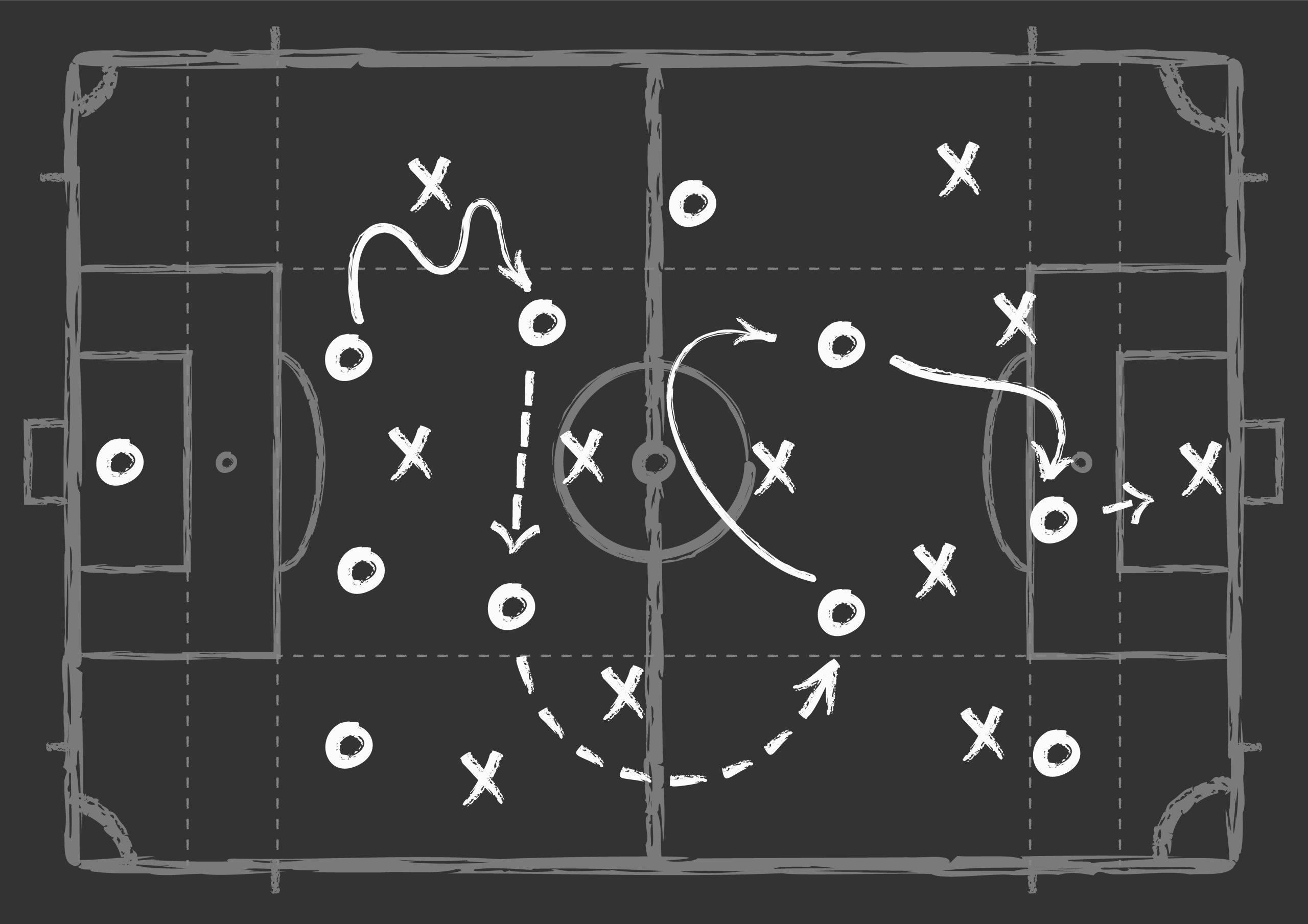
Playbooks bring autonomy to business intelligence. They connect to ERP systems, apply governed logic, and produce trusted narratives that explain what happened, why, and what to do next.
Read post
Be the first to know about releases and industry news and insights.
We care about your data in our privacy policy.